Every parent wants their child to think clearly, solve problems with confidence and enjoy learning rather than dread it. This is exactly where abacus and mental math come into the picture. These two go hand in hand, since the abacus is the tool and mental math is the skill it eventually builds inside a child’s mind. Together they form one of the most practical ways to strengthen a young learner’s number sense without turning study time into a stressful routine. This guide breaks down how the process actually works, what changes parents can expect to see, and why so many families are including it as part of their child’s regular learning routine.
What Abacus Training Actually Teaches a Child
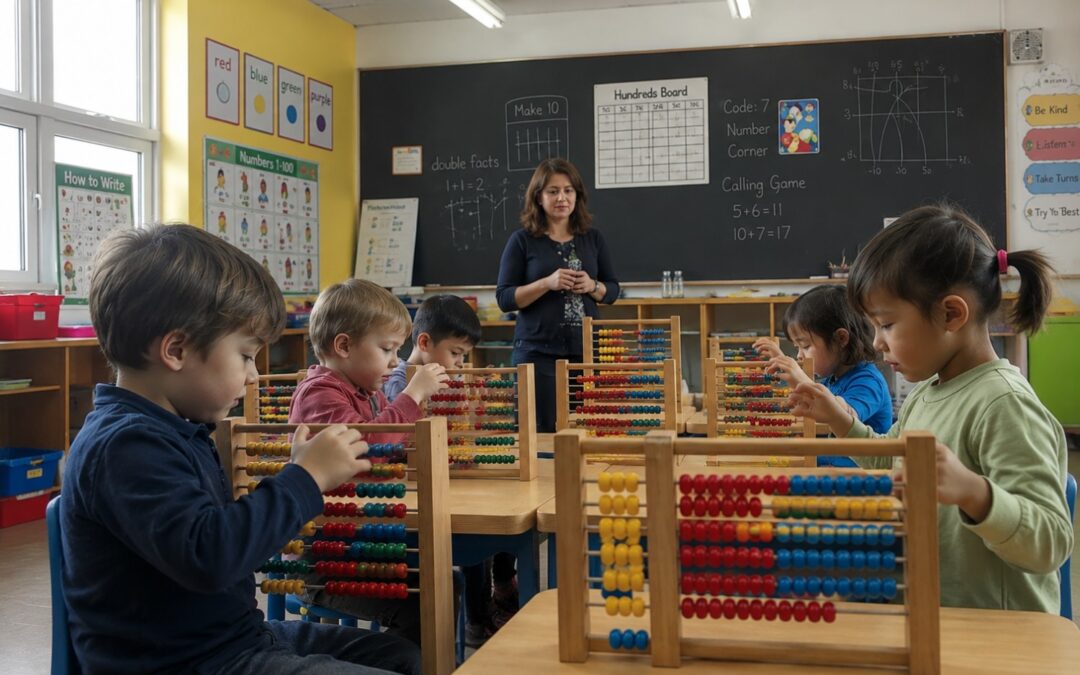
An abacus looks like a simple wooden frame with rows of beads, but what happens in a child’s mind while using it is far more interesting. As a child slides the beads to represent numbers, they start forming a picture of that number in their head. Over weeks of practice, this picture becomes so familiar that the child can recall it without the physical abacus in front of them.
This is the foundation of mental calculation. Instead of relying only on memorized formulas, a child begins to visualize numbers moving and changing, which makes calculation feel more like a mental image than a rigid rule. It is a completely different experience from staring at a worksheet full of numbers with no context.
Why Abacus and Mental Math Work So Well Together
Abacus and mental math training work well together because one builds directly into the other. The abacus gives a child a physical, visual method to understand numbers. Mental math is simply the next stage, where that same process happens internally without the tool.
Many parents assume these are two separate subjects, but they are really one continuous skill. A child does not jump straight into mental calculation. They build up to it slowly, practicing with the physical abacus until the mental picture becomes automatic.
This progression usually follows a similar pattern for most children:
- Learning to represent numbers using bead positions on the abacus
- Practicing calculations with the physical tool until movements feel natural
- Gradually picturing the beads mentally instead of looking at the frame
- Solving problems using that mental picture alone, without the abacus in hand
The Connection Between Abacus Practice and Brain Development
One of the more interesting aspects of abacus learning is its link to brain development. Using both hands to move beads while visualizing numbers activates multiple areas of the brain at once. This kind of dual activity, physical movement paired with mental visualization, is different from passive learning methods like copying notes or repeating facts aloud.
Over time, children who practice regularly often show improved memory retention and quicker recall of numbers. This does not mean every child becomes a math genius overnight, but steady practice does tend to strengthen the mental pathways involved in processing numbers and patterns.
Building Problem-Solving Skills Through Practice
Abacus training is not just about speed. It also plays a role in developing stronger problem-solving skills. When a child works through an abacus exercise, they are not simply following a set formula. They are thinking through the steps, adjusting when they make a mistake and figuring out how to reach the correct answer.
This process teaches patience and logical thinking. A child learns that mistakes are part of getting to the right answer, not something to be afraid of. That mindset often carries over into other subjects and everyday situations where problems need to be worked through step by step rather than solved instantly.
How This Supports Cognitive Learning Overall
Cognitive learning is really about how a child processes, stores and uses information, and abacus practice touches on all three of these areas. The visualization aspect strengthens how information is processed. Regular practice strengthens memory, which affects how well that information is stored. And using mental math in real situations, like solving a quick calculation at home, shows how that information gets applied.
Parents often notice that children who practice abacus regularly become quicker at connecting ideas in other subjects too, not just math. This is a natural result of strengthening the underlying thinking process rather than teaching one narrow skill in isolation.
What Structured Abacus Classes Usually Look Like
If you are considering enrolling your child, it helps to know what a typical class involves. Most programs are structured in stages so that a child is never pushed too far ahead of their comfort level.
A typical class structure usually includes:
- An introduction to number values and bead movements for beginners
- Gradual progression into two digit and multi digit calculations
- Timed practice drills to build speed once basics are solid
- Regular assessments to track how the child is progressing
- A shift toward mental calculation once the physical tool feels natural
This step by step approach keeps children from feeling overwhelmed while still giving them room to progress at a pace that suits them.
How Abacus Master Canada Approaches This Learning Process
Abacus Master Canada builds its classes around this same gradual structure, moving children from basic bead work toward independent mental calculation over time. Instructors keep track of each child’s pace individually, which means two children in the same class can be working on slightly different levels depending on their comfort and confidence.
The focus stays on steady, consistent improvement rather than rushing a child toward speed before they are ready. This approach tends to reduce frustration, since children are only introduced to more difficult concepts once the earlier ones feel comfortable.
Signs Your Child Is Benefiting From Abacus Practice
Parents often wonder how to tell if the classes are actually making a difference. A few common signs to watch for include the following:
- Faster recall of basic addition and subtraction facts
- Improved concentration during homework or reading time
- A more relaxed attitude toward math problems
- Willingness to attempt harder questions without giving up quickly
- Better memory for numbers, sequences or instructions in daily life
These changes usually appear gradually rather than overnight, so it helps to give the process a few months before judging results.
Setting Realistic Expectations as a Parent
It is worth remembering that every child learns at their own pace. Some children pick up mental calculation quickly, while others need more time with the physical abacus before moving forward. Neither pace is wrong, and comparing one child’s progress to another rarely helps.
The most useful thing a parent can do is stay consistent with practice and communicate regularly with the instructor about how their child is progressing. Small, steady improvements over months tend to matter far more than short bursts of intense practice.
Final Thoughts
Abacus and mental math training offers a practical, low pressure way to help children build stronger number skills, sharper focus and more confidence when facing problems, both in school and in everyday situations. It is not a quick fix, but a gradual process that rewards consistency.
If you are thinking about starting your child on this path, it can help to explore how the learning process works in more detail. You are welcome to try the self learning portal here to get a better sense of how the lessons are structured before committing to a full program.
Frequently Asked Questions
1. What age is best to start abacus and mental math training
Most children begin around age five or six, once they are comfortable recognizing numbers. Some programs accept slightly younger children depending on individual readiness.
2. How long does it take before a child can do mental calculation without the abacus
This varies by child, but many begin showing early signs of mental calculation after several months of consistent practice, with steady improvement continuing over a longer period.
3. Does abacus training help with subjects other than math
Many parents report improvements in focus, memory and overall confidence, which can support learning in other subjects as well, even though the training itself centres on numbers.
4. Is abacus practice difficult for children who struggle with math
Abacus training is often helpful for children who find traditional math methods confusing, since the visual and hands on approach offers a different way to understand numbers.
5. How often should a child practice at home
A short daily practice session, even just ten to fifteen minutes, tends to be more effective than long occasional sessions, since consistency plays a big role in building this skill.